Design that earns trust, not just clicks.
I'm Alice Curiel, a Product Designer focused on health tech and trust-driven experiences, designing the decisions behind the screen, not just the screen itself.
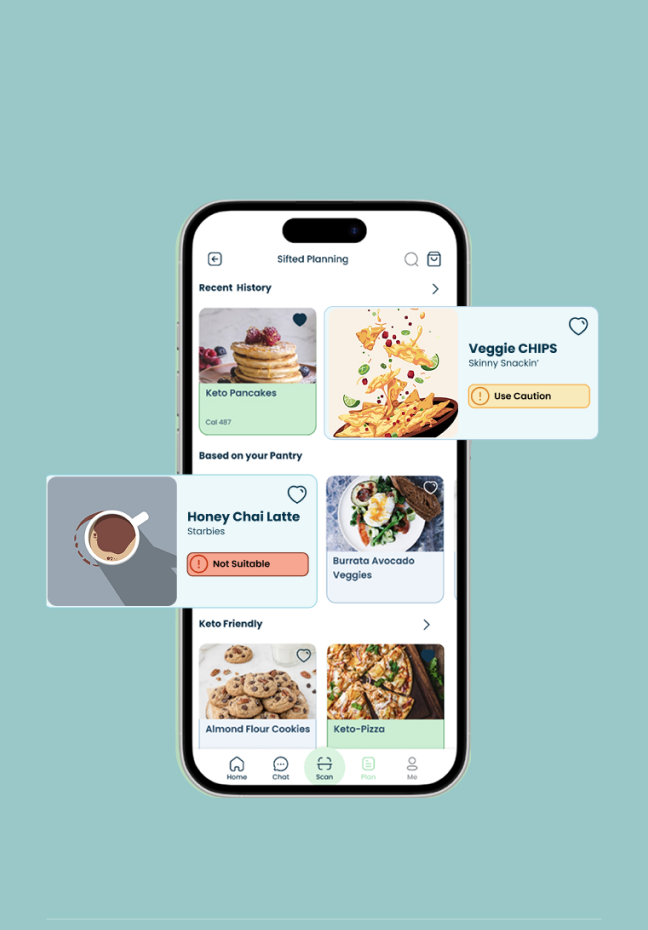
Sifted
An AI-powered nutrition scanner that helps health-conscious shoppers make confident food choices through clear, ingredient-level insight.
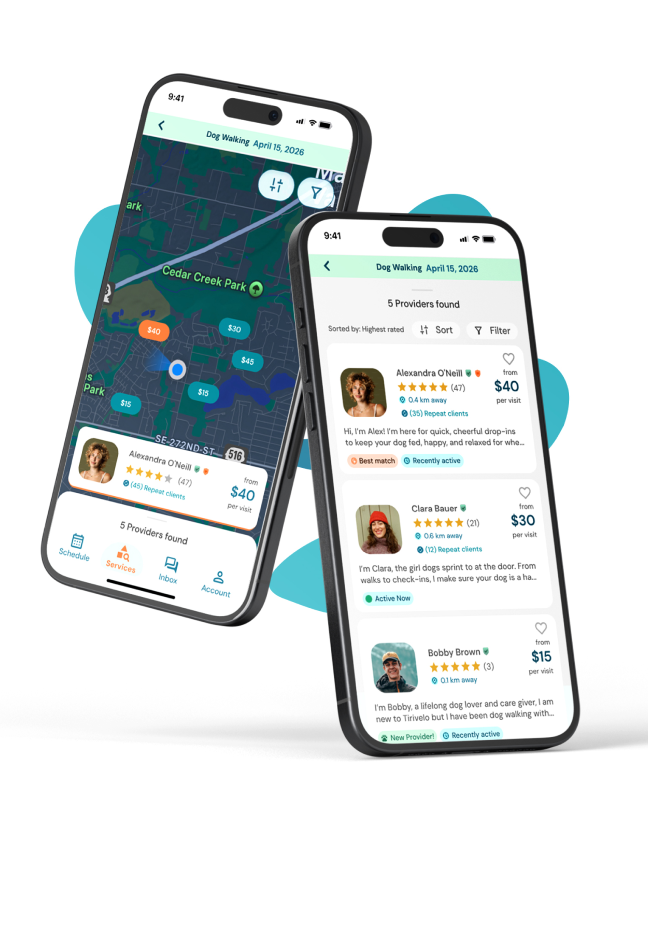
TiriVelo
A pet-care marketplace that simplifies provider discovery while building trust through redesigned search and profile flows.
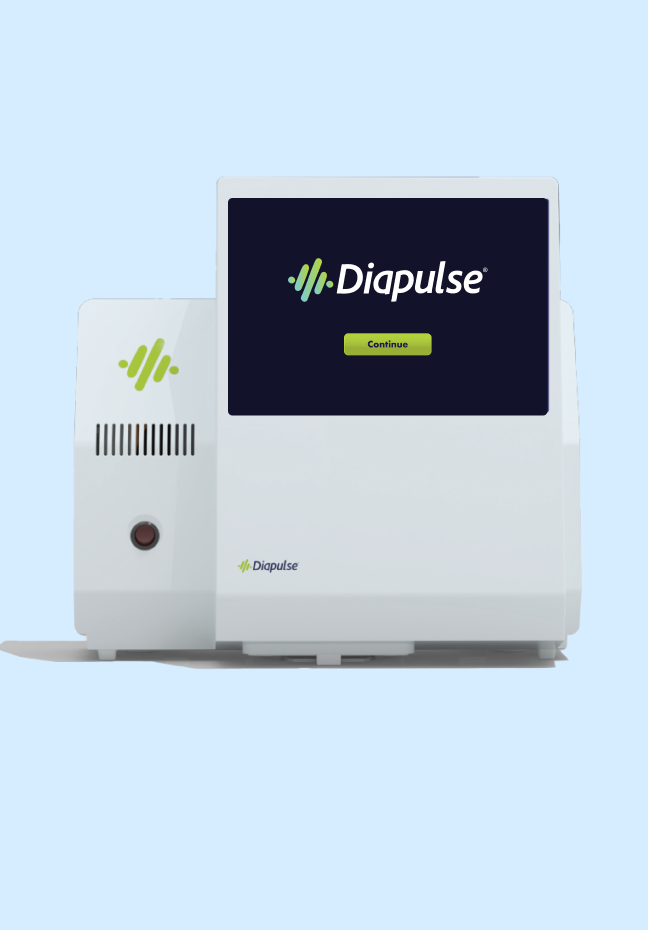
Diapulse
A brand and clinical software redesign that modernizes a 30-year legacy medical device for today's clinicians and patients.
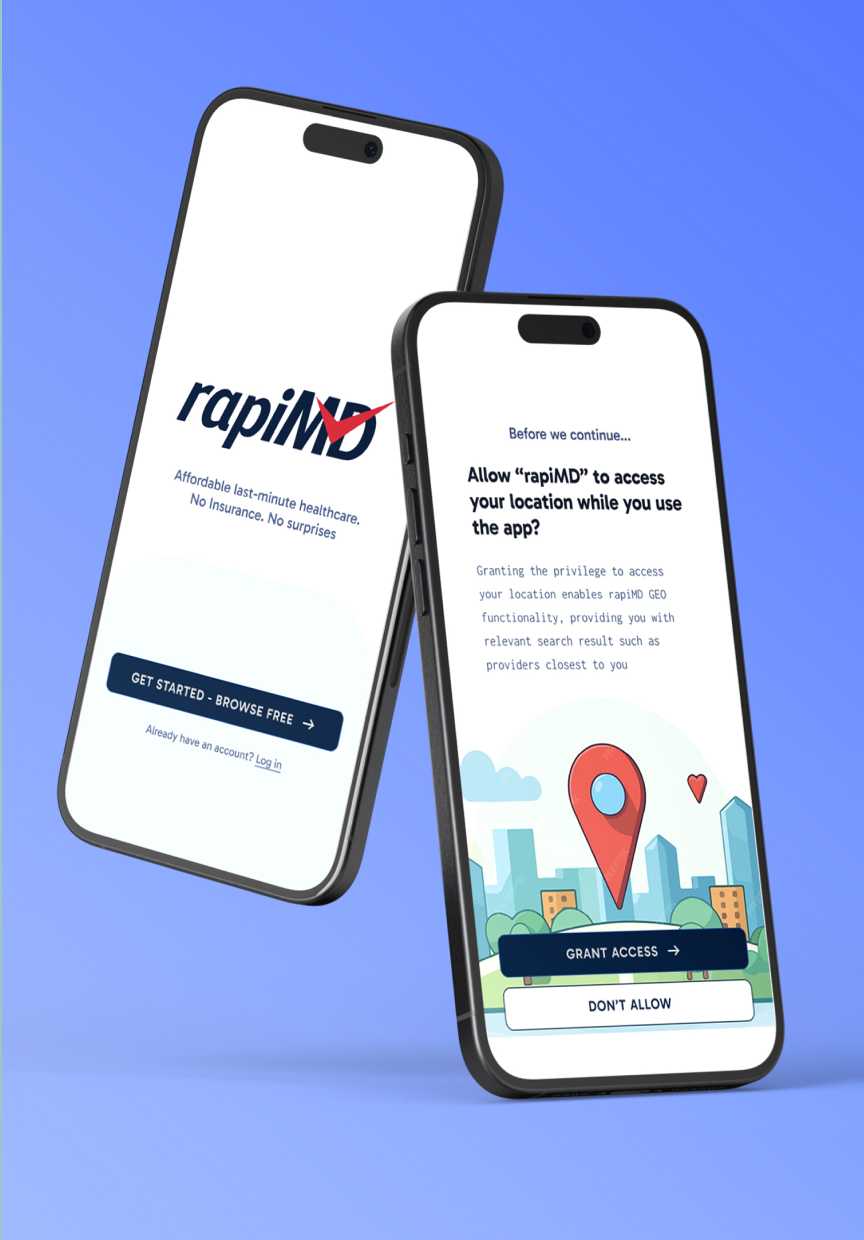
RapiMD
A healthcare booking platform that simplifies provider search while increasing pricing transparency and patient trust.
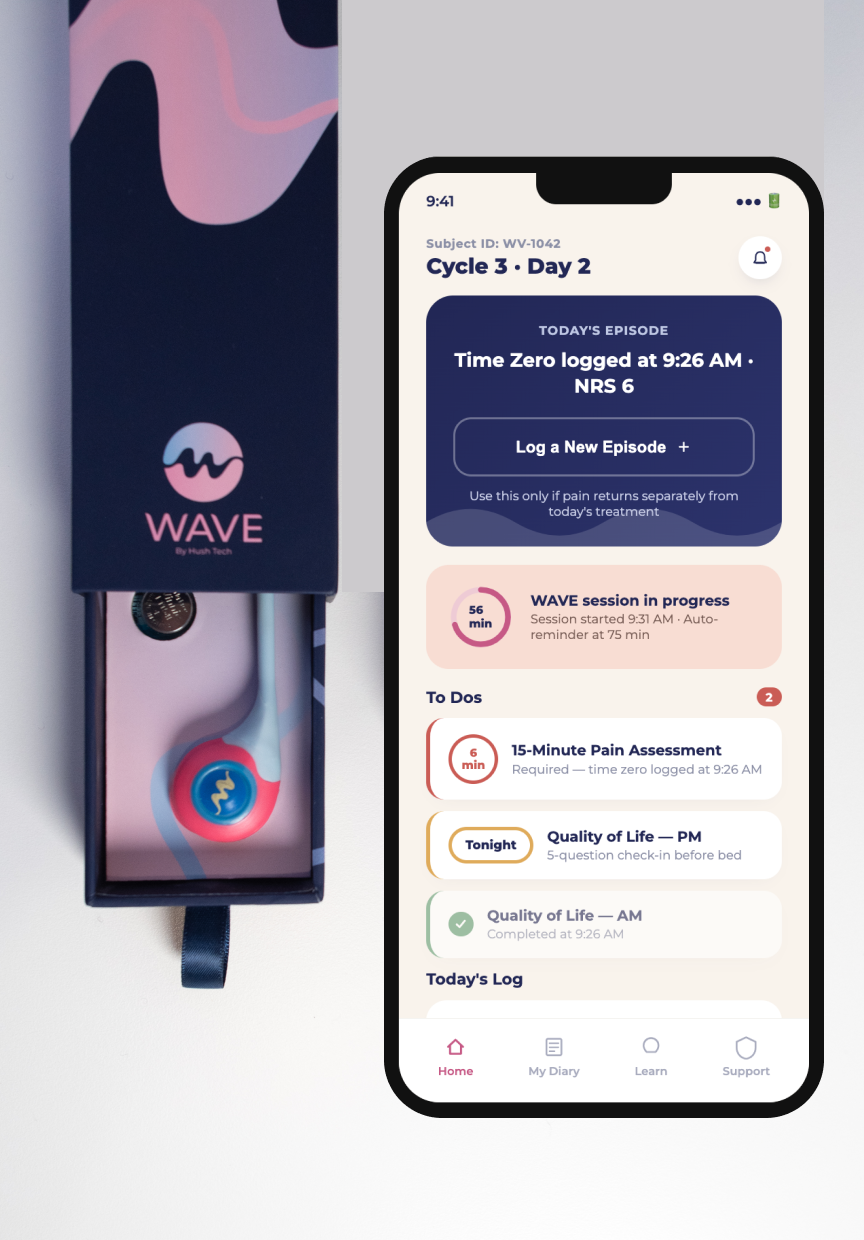
WAVE
An FDA clinical trial app and brand system that transforms a clinical device into a warm, human-centered wellness experience.
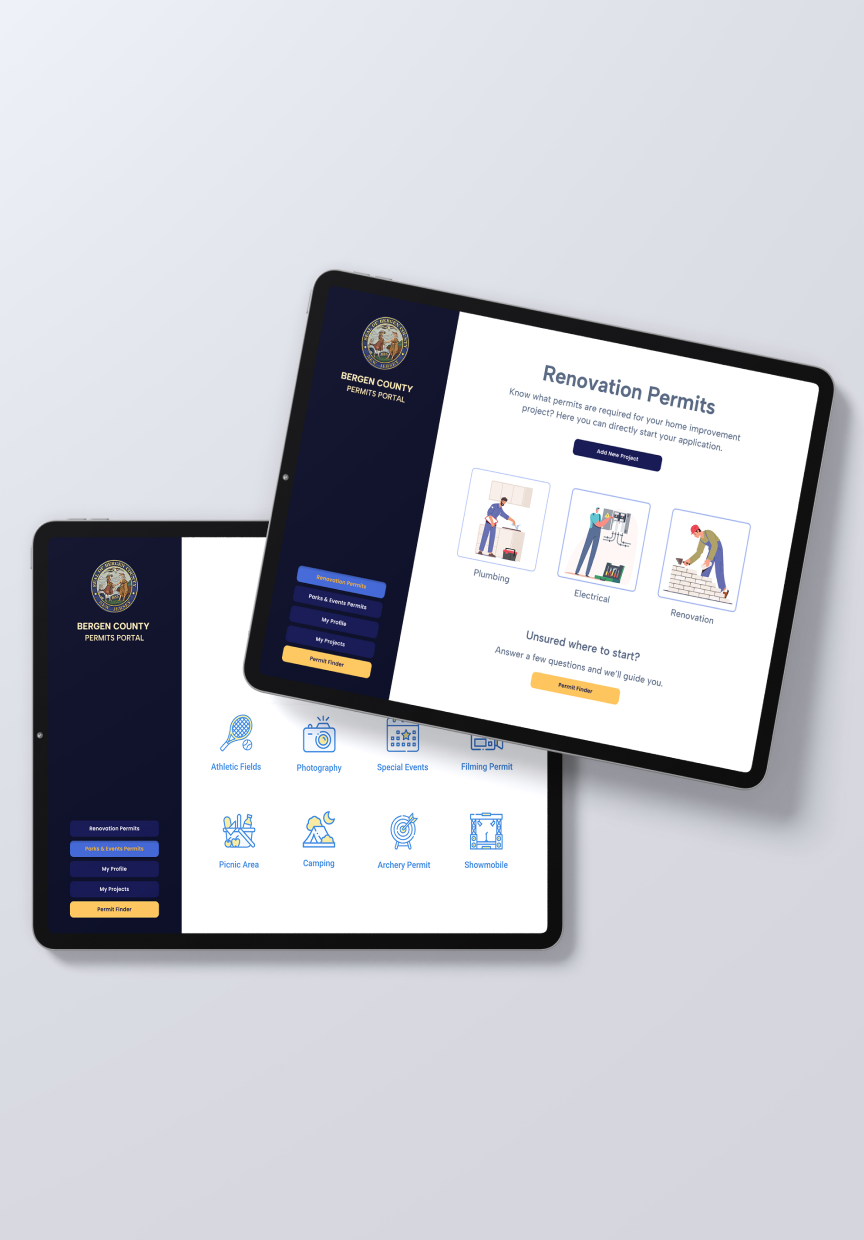
Bergen County
A civic tech permit portal that simplifies compliance and reduces costly errors for contractors and homeowners.
A little about me
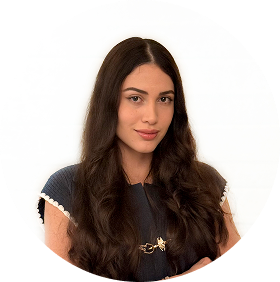
My name is Alice Curiel and I'm a product designer specializing in health tech, wellness, consumer apps, and AI products. My professional focus extends across healthcare, medical devices, marketplaces, and consumer wellness.
From redesigning a clinical software to building an AI-powered nutrition app from the ground up, the common thread in my work is trust. I specialize in designing trust into experiences for users who don't give it easily.
My approach is rooted in my foundation as a graphic designer (BFA, magna cum laude, The City College of New York), which taught me that a product's visual system and its strategic goals must work seamlessly together.
I want to work with teams building things that matter. If you are developing a product where earning the user's trust is step one, we should talk.
designing
Learn
I lead stakeholder interviews and user research before any wireframe exists, grounding every design decision in real problems, not assumptions. This defines what success looks like for the business and the user from day one.
Map
Information architecture and user flows come before visual design. A validated structure reduces downstream rework and keeps the interface aligned with actual user mental models.
Build
I produce high-fidelity Figma files, dev-ready specs, and detailed handoff documentation. Close collaboration with engineering throughout the build phase keeps implementation aligned with the original design intent.
Test
Usability testing and compliance review happen before every release. This is a functional gate built into the process, not a formality added at the end.
AI-Augmented
I integrate AI directly into my workflow, including setting up MCP servers to connect design tools with AI agents. This automates repetitive tasks like asset export and documentation, freeing more time for strategy and craft.
Prototype
I use AI-assisted coding tools to build functional prototypes and validate real interaction behavior early. This confirms direction in the browser before any development resources are committed.